
The Montessori Method
A scientifically grounded approach that values the human spirit and the development of the whole child.
Beyond Rote Memorization
Developed by Dr. Maria Montessori over a century ago, this method is based on profound scientific observations of children from birth to adulthood. It is an approach that respects the child's natural psychological and physical development.
In a traditional model, the teacher is the active giver of information, and the child is the passive receiver. In Montessori, the child is the active learner, and the guide facilitates that learning by preparing the environment.
Core Principles
The Prepared Environment
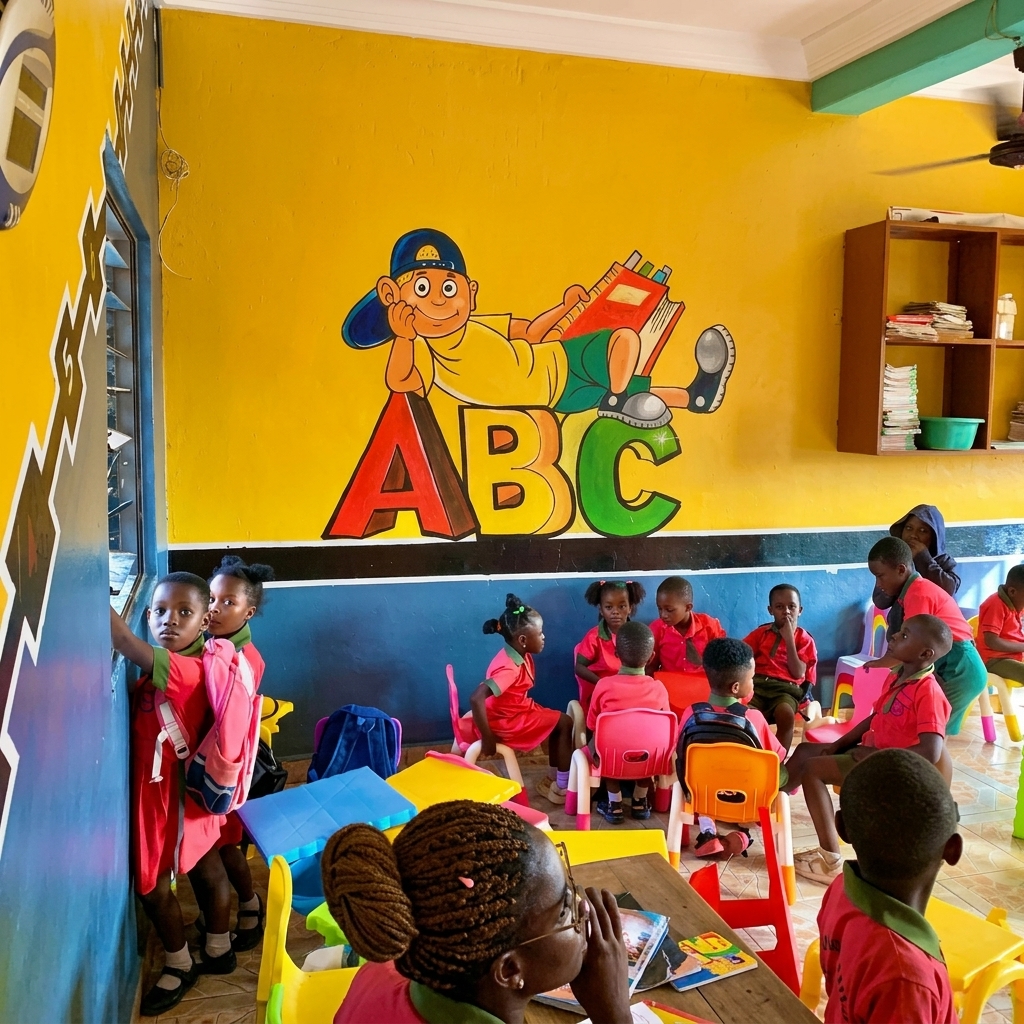
Classrooms are carefully organized to encourage exploration, order, and independent learning. Everything is child-sized and accessible.
Self-Directed Activity
Children choose their work from a range of developmentally appropriate activities, fostering intrinsic motivation rather than relying on rewards.
Hands-on Learning
Specially designed materials help children learn complex concepts—from mathematics to grammar—through concrete, tactile experience.
Mixed Age Classrooms
Children learn from each other. Older children develop leadership skills, while younger ones observe and emulate their peers.
The Role of the Guide
Teachers observe each child and provide individualized lessons based on their readiness and interests, intervening only when necessary.
The Outcomes
Montessori education fosters deep independence, profound self-discipline, and a genuine love of learning. Students develop strong executive function skills, social grace, and the ability to focus and concentrate on tasks for extended periods. They are empowered to become proactive, compassionate members of their communities.